
 YOU ARE WHAT YOU WEAR:
I went on a lunch date last week and my friend asked me what I was wearing and told me not to go over the top. If you know anything about me, if someone tells me not to do something, I’ll do it twice with a cherry on top. The date was lunch at a pool bar in 33 degree heat so I wore a shiny gold metallic bikini covered with an animal print short dress and oversized black shades and Moschino sandals.. She said it gave off ‘90s mobster wife vibes and I laughed. That look is very much en vogue and Mob wife fashion is synonymous with opulence, exuding a sense of confidence and authority. Which is basically me. I am way past looking for validation for what I wear, especially from a man. If he doesn’t like my style, that’s not my problem. And if I come across as too confident? That’s on him, I’m not extra, he just isn’t enough. It’s been over a year since I have been on a date, I haven’t been bothered to and no one has matched up to my level of interest. But it was fun to dress up and it got me thinking about the effort women go to to impress a man. Not me, I dress for me. I do my hair, lashes and nails for me to make myself feel good. Women spend most of their lives being dictated to by men about how to dress whether we like it or not. According to a 2023 report on diversity by the British Fashion Council, despite women making up the majority of customers, most senior roles in fashion are held by men. More than 85% of graduates from top fashion schools are female, but only around 14% of the top 50 major fashion brands are run by women. In America less than 50% of the top womenswear brands are run by women. Isn’t that shocking and so wrong? It’s bad enough that society dictates what size we should be in order to appear attractive but how are men holding the majority of management positions in women’s fashion? Men think they know women. Sorry let me rephrase that. Men think they know everything. Our clothes alter at different stages of the month. Men can’t possibly understand how we feel when we’re on our period, are pregnant, have given birth, are going through menopause and our clothes have to reflect that. What we wear says a lot about us – it can reveal our personal style, values, and even our moods. In many ways, the clothes we choose to buy are a form of self-expression, and can communicate a lot about who we are and what we stand for. You’ll never catch me in a floatie floral summer dress to my ankles. At 5ft 2 it will look like I’ve stepped out in a duvet cover. My clothes are my personal signature, as are yours. Wear what makes you feel comfortable and gorgeous. Your clothes don’t matter to anyone but yourself, so let go of others' expectations of how you should dress. Ironically if you ask a man’s opinion on “how do I look?” he’ll stand there terrified of saying the wrong thing. So change the script. Ask yourself how you feel in the outfit you stand in. The most important thing to remember is that we all have flaws and there isn’t such a thing as the perfect body. We all have beautiful features. And ultimately the most stunning thing you will wear is your confidence and your smile and people will always judge you no matter what you slip on. I have been in the fashion PR industry for over 20 years and run Liverpool Fashion Week. Style in the high street reinvents itself like the ra-ra skirt, probably because the men at the top are managing what lines go in store. Wouldn’t it be ever so refreshing if women were put in charge?. Sorry not sorry. I stand for “don’t fuck with me.” It’s a liberating style, you should try it. And if you’re wondering how the date went, he’s caught my attention. I think I may see him again and I have just the outfit in mind.
0 Comments
 WHY ADULTS SHOULD PLAY
This week I received a press release entitled, “The tragedy of becoming an adult” and it got me thinking about how we’re supposed to behave at certain ages. How many people have judged a pair of women sliding off their chairs in peels of laughter in a restaurant for sharing something funny between them? Or glanced disapprovingly at people over the age of 30 dancing on the table in a bar? Three years ago I took my eldest daughter to Tromso, north of the Arctic Circle. I booked us a trip at midnight to see the Northern lights and as we all got off the minibus and waded waist deep in snow, I threw a snowball at her. A full-on snowball fight ensued and we were rolling around in the snow chucking snowballs at each other, giggling hysterically to the point when I couldn’t breathe whilst the rest of the group looked bewildered at us wondering how to react. Every year my kids line the swimming pool with floaties from one end to the other and we carry out our own version of Total Wipeout. Last year a woman leaned over the balcony of her apartment to ask us to stop laughing so loud as it was disturbing her watching television. Can you imagine being so miserable and bitter? I was always the mother climbing into the ball pool with my toddler children and going down slides with them, I took them as an excuse so I could go. This weekend I’m part of a three day hen party, or Brenda Bender as it was recently labelled, in Ayia Napa where we’ll be throwing ourselves into the foam party at Nissi beach, knocking back shots at the clubs and generally having a jolly good time. Recent studies have shown how play is vital for adults to keep our brains flexible and open, ensure spontaneity and interconnection, and can go as far as to alleviate depression. Yet many don’t make the time, for fear of judgment or sheer lack of ability—the average adult now logs more hours at work than a 14th-century peasant according to Newsweek. I can’t imagine a world where I am not playing or laughing or dancing or singing the wrong lyrics to songs I love.. I’ve been labelled ‘wild’ because I don’t conform to society’s expectations of a woman in her 50s. Why shouldn’t I have fun? I’m fitter than many people half my age and have more energy than most. Am I supposed to just sit in a rocking chair for the next 30 years and wait to die? So many people choose to do this and it’s existing, not living. Every adult should make time to play and be silly. It’s so restricting when you’re worried what other people think of you. Recently my daughter said to me, “Don’t you think you’re too ld to do that?” And I asked her why? Because we’re conditioned in society to behave a certain way, to not draw attention to ourselves. When we hit 40, are we supposed to sip G&T’s listening to classical music, nodding occasionally with a little smile in appreciation of our circumstances? My brain still functions as a 25 year old but without the inhibitions and anxiety that come with youth. Laughter has a positive impact on nearly your entire body — it benefits your immune system and respiratory function, aids muscle relaxation, assists with pain relief, and stimulates circulation. Laughing also has a role in the process of healthy aging which is why I look younger than my actual age. Adults should definitely take time to play, it’s also been proved to sharpen your sense of humour which is why I am so fucking hilarious. In a world where we’re conditioned to focus on work and reaching our goals, manage our finances and generally being successful it’s also important to remember to loosen up. Play is similar to meditation in that it helps you focus on where you're at in the moment and reset your busy, perpetually exhausted adult mind. Work hard, play harder is not just a phrase, it’s my mantra. 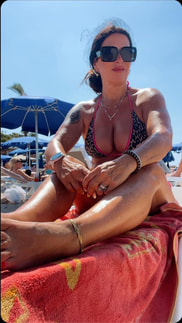 DID I ASK?I’m on multi social media platforms but there’s one I can’t stand and that’s LinkedIn. Have you listened to the people on it lately? Who are they trying to impress? It’s like a bunch of kids in a classroom and they’re trying to fight for the teacher’s attention. “Ooh, listen to me, I know the answer, I’m an expert.” No one’s interested really, and as my best friend and I say regularly, did I ask?
Everytime I go on Linkedin a little part of my soul dies. I’m not corporate and I have never bought into the mass market world. Everyone on LinkedIn is trying to prove their saleable worth. Hypocritical as it may be, I feel compelled to check into LinkedIn everyday, not for a fear of missing out but just to reinforce my hatred of the corporate world. Chill people, no one on their death bed uttered the words, “I wish I spent more time at the office.” And when you work for someone else you’re easily dispensable. I have been made redundant four times over my working lifetime. Do you think your team leader or boss is really going to love you any more for posting how excited and delighted you are that you’re starting a new job with them? No one cares that you went to a networking event to kill a few hours away from the desk that you actually hate, and munched on stale croissants whilst drinking lukewarm crap coffee all morning instead of actually doing any productive work. Over my working lifetime I have been to hundreds of networking events and see the same faces waffling over the same stories. My inbox is littered with spam mail from Linkedin “experts”; Business coaches offering to free up your time so you’re more productive. Here’s a hint. Do some actual work instead of posting bullshit posts about how saleable you are. SEO marketers on LinkedIn offering to boost my google ranking daily. Yawn.Just now I received an inmail “My core strength is supporting the business leader (you) to lift your head up and create the life you want instead of being a slave to the business.” Newslash Dave… Chin’s already up and I already have. Perhaps if you did your research and read my bio you’d see that instead of wasting your time messaging me. Here’s another email sent to me “I help my clients achieve this by integrating somatic, emotional, and cognitive approaches into a personalized growth plan” Ooh someone’s used a thesaurus.True marketeers already know their target market. Guess where I am working from and here’s a clue: It requires a bikini. Another email today… “Do you want marketing help handpicked for you?” Hmmm, let me think. And no I don’t want to schedule a 15-minute call with you. At the end of the day when you’re an employee you’re easily replaceable no matter how much you brag about your value. If you’re truly good at what you do, and not just bullshit about what you’re capable of, work will find you through word of mouth recommendations.Take all those valuable skills you’ve harnessed in the roles you’ve worked in and step into the self employment world. It’s tough and scary at times but only then, when you realise that there’s no glass ceiling for earnings when you work for yourself, that you can call the shots and decide how you live your life.  CAN YOU KEEP A SECRET?
Have you ever been asked to keep a secret? Like a huge secret? A potential life changing secret? Well I have recently and I can’t decide if it’s a burden or a privilege that I have been tasked with this. And as a complete oversharer usually, I am in unchartered waters. But actually as the days go on, I’ve realised it’s fun to keep the secret and the secret I have been tasked to keep is so big, I honestly am in no rush to tell anyone. Not even a hint or a clue. It’s all mine. It’s human nature to want to share news and as a blogger and journalist, it’s what I do daily but this time, this secret being protected in a little incubator with a three pin password and verification code implanted in my brain. The fact that it’s been trusted solely with me is making start each day with a little skip and a jump of joy too. I feel special. According to a study published by the American Psychological Association keeping good news a secret before telling someone else could make people feel more alive. “Positive secrets that people choose to keep should make them feel good, and positive emotion is a known predictor of feeling energized,” said Michael Slepian, PhD, an associate professor of business at Columbia University. “While negative secrets are far more common than positive secrets, some of life’s most joyful occasions such as pregnancy and engagements begin as secrets. (The research was published in the Journal of Personality and Social Psychology.) We’re taught as kids that keeping secrets is bad and therapists tell us everyday that it’s better to talk it out… but I’m just letting you know that I’m not telling a soul. Shhhhh. Don’t even ask. This cat is staying firmly in the bag and my lips are sealed. Ask me about anything else, I’m eager to overshare details of the shitty things the callous ex did and I’m happy to divulge updates on my fluctuating bank accounts and news surrounding my dysfunctional family and the trauma they laid on me, but this particular secret is strictly confidential. It’s actually so much fun to keep. And don’t worry, no one’s been murdered. There are times when keeping a secret can be a burden on your soul, like if you find out someone you love has been cheated on; do you tell them or risk being accused of trying to break up a relationship. Some people are so blinkered they’re unwilling to see the truth regardless and you can end up being the bad guy. Ultimately people keep secrets to protect their reputation or someone else's. People keep secrets to hide their shame of drug dependency or other addictions and that’s not advisable as they’re denying themselves the chance to get help and it’s never good to struggle alone.Fortunately my big little secret isn’t going to affect anyone’s mental health and I think I am beyond help anyway. I am at an age when I am past caring what people think of me now. As long as my kids are happy and I am not hurting anyone then I am doing no harm.My circle is so tight now it’s like a little dot. I trust no -one so ironically I have no one to share my secret with anyway. So actually this blog is irrelevant. I’ll shut up then and go about my business as usual. With a little smirk that I know something you don’t.  WHY I DON'T PARADE MY CHILDREN IN PUBLIC
I am a mum of six amazing children and how they’re growing up to be successful career-driven adults who don’t take drugs is one of my finest achievements. But I don’t need to ram it down people’s throats that I am a mother, in fact because of the independent lifestyle and constant travelling I do, many people are surprised I have children because I don’t feel the need to talk about them all the time. They motivate me to work hard so I can pay for them to live in a nice house together but they do not define me. Their welfare is my priority and I love them unconditionally but I am my own person with my own identity. And ultimately they’re going off to live their own lives anyway and check in with me every few days if I’m lucky. For a long time, when they were much younger, I felt I was fumbling around in a fog, on autopilot getting up in the night, going to work, coming home and attending to their demands. My needs weren’t ever in the equation. I felt my identity as Amanda was gone and I became this fat, lacklustre woman who read holiday brochures as a means of escape and spent endless nights screaming inwardly. Until one day just before lockdown I had enough. Bored in my marriage and wanting more from MY life I relocated my business to Cyprus. My eldest daughter joined me for the first year as I made the adjustment and the fog lifted. As mothers, it’s so easy to fall into a robotic pattern and that actually makes us good mothers as we put our needs last. But it doesn’t have to be forever. Through the distance from my children, I actually learned more about them as individuals; as we actually took the time to speak to each other on an entirely different level of communication. I am not going to pretend it wasn’t easy for all of us but now we are in a comfortable pattern of where I split my time between Cyprus and the UK; not just for business purposes but of course to spend time with my kids. I don’t need to advertise it on social media or bore my friends with stories of them. And I don’t feel the need to. And I love my time to myself to do the things I want to do; go dancing, go to the beach or sit in my apartment enjoying the peace and quiet. I am allowed to post a family photo of us all together two or three times a year- Christmas, my birthday and summer holiday. Apart from that posting photos of my kids is off-limits unless I get group WhatsApp chat approval from them all. And that’s fine. I didn’t give birth for them to be paraded on social media as status symbols. My children inspire me to go off and lead the life I want, because as a mother I want what’s best for them and if they have a happy mother, their lives are going to be more fulfilled and stable than being around a mother who is depressed and constantly complaining. My independence has given them confidence and shown them that they, too, can live a limitless life where they can follow their dreams. I don’t need to gush publicly about every little thing they do, or every achievement they make, but I will tell them everyday that I love them and I am proud of them. Mothers are judged for everything they do and say, and one of the first questions people always asked me when my kids were younger was, how do you manage and I always replied “By throwing the parenting manuals out of the window.” What works for one may not work for someone else but that doesn’t mean you’re a bad mother. The only opinions of me that matter are those of my kids and even then I sometimes push the boundaries. I am a wild card, a free spirit, a mum of six but, ultimately, Amanda.  FAKE IT UNTIL YOU MAKE IT?
Should you fake it until you make it? And at what point do you think you have made it and when should you stop? Or do you set another target and start all over again? Fake it till you make it refers to the idea of projecting self-confidence in order to convince yourself that you can attain a goal that you feel as though you do not yet have the skills to achieve. Richard Branson said that if someone asks if you can do a task, say yes immediately and then worry about how to do it later. After all, we’re always learning new skills and this is how we grow professionally and personally. There’s a difference, though between being fake, and faking it. Just look on LinkedIN, everyone is posting publicly about how amazing they are and how their business is booming. But when I speak to people face to face many have recently owned up to how much they’re struggling for new clients and cashflow is drying up. I have learned over the last year how fake friends can be. They’re no longer in my life and though I was sad to let them go, I don’t want them to reappear. They were conditional friends, happy to be around me as long as I had something to offer them- free tickets to an event, free drinks in a bar, introduction to my contacts that may benefit themfree goodies I shared when I was sent promotional products and even free PR advice. The list is endless. Once they got everything out of me they turned on me with their behaviour and so I cut ties. That kind of fakery can fuck off. It’s perfectly okay to elevate your status and say how marvellous you are. If you don’t believe you are, how do you expect others to? I tell people I offer consultancy to that they must brag about their business products and services, if you don’t believe you’re the best then you’re basically telling people to go someplace better. Without being in delulu land and you can back it up, then a little embellishment goes a long way, after all that is what advertising and PR executives do everyday. Faking it until you make it can be a positive thing, it may encourage you to be more productive at work in order to get the sales you want. The filtered insta pics of you sucking in your stomach can spur you on to do that extra workout. I am guilty of them both but I am not fake, I spill my guts out on social media everyday. I admit to botox and every beauty enhancement and age defying treatment offered to me. If you want to come across as a happy person but inside you’re crying with stress, force a smile. If you want to come across as a popular person but you’ve spoken to no one in three days, act more friendly and warm. Focus less on your faults as that will just lead into a spiral of self sabotage. Faking it until you make it is absolutely fine if it is about changing your behavior first and trusting the feelings will follow. As long as your motivation is in the right place, faking it until you make it can effectively make your goals become reality. Just make sure you're interested in changing yourself on the inside, not simply trying to people please or boast that you’re better than someone else. That’s not endearing. Ultimately be the change you want to see and stay authentic.  RULES ARE MEANT TO BE BROKEN
I don’t like being told what to do. I am sure it stems from my childhood being locked in my room and having extreme discipline applied to me by a controlling mother who threatened me with violence if I didn’t comply to her rules. While I excelled in school academically, I resented my teachers for the stupid rules they imposed. What difference did it make to my education if I rolled my skirt up or wore black eyeliner? My reports constantly criticised me talking in class, a skill I honed into a career. School was my social life, my happy retreat from an unhappy home life and the teachers annoyingly got in the way of that. I wanted to be a journalist since I was a teenager, the main reason being that I didn’t want a desk job and I knew I could wear what I want. And of course, I loved writing. Don’t put me in a uniform, I will cut it up and turn it into a completely different outfit. I was not born to be a sheep. On my first day on the job as a reporter for my local newspaper, my editor instructed me to go out and find a front page lead and not come back to the office until I had. I went out and found a story within a few hours and then took a couple of days off to go shopping and spend time with my boyfriend who was studying at university. When I worked in television I would often take long lunches to go to the afternoon matinee performance at the cinema alone. Probably why I excel at being an entrepreneur, I can only work on my terms. I recently landed a part job as a PR manager and in my interview, I told them I would only take the job if I could work remotely and continue to fly back and forth to Cyprus. It’s a fact that when people tell us what to do, many of us rebel against it. If I feel my choices are being restricted I will either run a mile or do the exact opposite of what I am being told to do. My ex-personal trainer called me up on this several times, and I frustrated the hell out of him when he was trying to coach me. It was only when he left that I took it upon myself to train on my terms, qualify as a Les Mills Bodypump instructor, tone up and build the muscle I wanted. Being told what to do triggers my emotional response to my freedom being restricted and I enjoy my little rebellions. I regularly took my kids out of school in term time to go on holidays. Threatened with fines which I never paid, I turned it into a PR campaign against the school and ended up on national TV. I developed a fashion brand during Liverpool Fashion Week one year with the slogan “Rules are meant to be broken”. It went down a storm. During the pandemic I refused to wear a mask. During take off of a flight I don’t listen to the safety brief. I encourage my children to also be assertive and not do everything they’re told. When my eldest daughter was in sixth form and a teacher was rude to her and talked over her, my daughter told her to fuck off under her breath. This promptly led to me being called into school. In the end I had the teacher apologise to my daughter for being disrespectful. Currently my daughter is experiencing problems with a teacher constantly yelling in class. She answered her back and asked the teacher not to shout which led to a detention which I refused to allow my daughter to attend. Schools try and condition you into adhering to rules that you have to follow through life but many of these are just controlling and create limited beliefs. I wish my school had shown us how to start our own businesses rather than preach about falling into 9-5 employment which is existing, not living. The ex, stuck in a grey desk job he resented, criticised me for the way I worked but I now know it was probably out of fear that he couldn’t do it because he was conditioned to follow instructions. People who break rules are liberated, our brains can think freely and our creative juices flow without limitations. Of course I am not talking about hijacking a car and ramraiding a shop, or committing murder, although I have been tempted to at times. There is a pressure to conform to society and many are scared of how we will be judged. Let that fear go. Following rules is one thing. Sticking to the norms to be accepted by others is a different matter. Rules that restrict your lifestyle can be broken and the consequences can be incredibly uplifting. On the other side of fear is freedom. 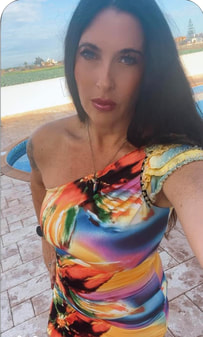 I am loud, I am brash, I am confident and I am an attention seeker. But one thing I am not is ADHD. I am also not depressed even though I have days when I want to shut myself off from the world and sit on my sofa and not talk to anyone. I spend my days talking to people non stop, I live a busy life with lots of kids and I am constantly surrounded by questions and expectations and sometimes I just want to tell everyone to fuck off.
I am menopausal, however and moody with it, yet when I mention this, some people groan with boredom. Apparently this is unacceptable but throwing around labels of other genuine conditions isn’t. I am so sick of people telling me what I am. Are you all medically or psychologically trained? Just because I procrastinate doesn’t make me ADHD. I am super punctual to meetings, I do not fidget and I am highly organised in business. But I am in the midst of menopause, enjoying the hot flushes and brain fog which gives me poor concentration, not to mention insomnia which fuels my bad moods. The other day I left my house with my front door wide open. But this is not acceptable, instead I am labelled as crazy and this infuriates me. Did you know that over 20% of females leave their jobs because of women related issues? Can I even say females anymore without offending someone? We continually face discrimination in the workplace. I was made redundant for being pregnant yet my role was replaced by a man within six months. One woman received £37,000 from her work after taking her male boss to a tribunal who told her she used the menopause as an excuse for everything. I constantly forget where I put things down. My ex husband rolled his eyes and made a dismissive comment when I couldn’t find my car keys the other week and I told him I had menopausal brain. Women have a hard enough time. At every stage of our life we’re judged for everything we say and do which according to some men makes us “intolerable”. In school, girls cannot show their shoulders or have their skirts too short for being deemed provocative. Choosing to get married, choosing the number of children to have, or choosing to remain childless makes us selfish. Posting bikini selfies are deemed inappropriate which is hilarious when I spend six months on the beach. Wearing tops that expose our cleavage are seen as an invitation to make inappropriate comments when the reality is we have no control over the size of our breasts. We’re judged on our gym workouts, apparently having muscles isn’t feminine, we’re judged on our sexual activity and our looks. Why do I have false eyelashes and facial aesthetics? Because I fucking want to, that’s why. Why do I post what I post on social media? Because it’s my page and I will do what I fucking want on it. Why do I want to build muscle? Because it's a flex ok? I am not doing it for anyone's approval but my own. I don’t see my menopausal symptoms as a weakness, it’s just another shitstorm that I have to ride. I sometimes am filled with self doubt but that doesn’t stop me going after my goals and chasing my dreams. I put off the jobs I hate (mostly housework) in favour of the tasks I love. Labels limit yourself. Call me strong, call me a badass but don’t give me a medical condition that devalues people who actually have it and is debilitating for them. It’s becoming trendy to throw around these terms but if we’re honest, I’ve always been fashionable but this is one label I refuse to wear. NEW YEAR NEW BLOG December 2023:
2023 was my annus horribilus but 2024 is going to be my annus fuckingfabulous. I say this because I too am a queen and my crown has been rather crooked of late. Now it’s as straight as my sexual preferences. This year has shaped me more than any over recent years and I feel stronger, more powerful and assertive. I hold no grudges or resentment over events that I couldn't control and people that disappeared from my life. Excruciatingly painful and disappointing as it was at the time, I now know that some people are not meant to be in your life forever and I thank them for the experience because otherwise my mindset would not be as focused and strong as it is right now. Normally I don’t give a shit about New Year’s Eve. It’s just another night with no real significance. But this year I feel an immense change around me. For starters, I decided I won't be spending my traditional NYE crying in my bedroom at my annual self pity party for one. I have done this for too many years. No, this year I shall be partying in Ayia Napa, in my favourite place with my best friends, my favourite people who make me feel good and accept me as I am. I have found my tribe. Cyprus is my spiritual home and as my son acknowledged yesterday, I thrive in the sunshine. For far too long I have been a people pleaser, putting everyone’s needs and happiness before my own but I am not doing it anymore. I am over middle aged and my time on this planet is running out so I am going to make it count even more. Call me selfish, I genuinely don’t give a fuck what you think. Of course my children always come first but they’re shaping up to be incredible humans. As a mother, my role is to provide them with infinite love and security, teach them independence and give them an endless supply of self-confidence so they can make their own decisions and function in this brave world. So far, so good. But mum deserves a life of happiness too. It’s my time now. January is toning up as fast as my glutes, which I may add, are banging, thanks to a new addiction to spin classes. I have exciting new business projects and my finances are looking healthier. I am fitter, having qualified as a Bodypump instructor and I have lots of new projects to work on; The Manchester Lifestyle Awards and a new part-time role with a charity in which I am organising a spring fundraising ball for them. I have a new silent business partner on Lifestyle magazine and I am scaling it to become global, a vision I have had for many years that will hopefully provide us both with a passive income which will free me up to spend more time on the beach and on things I love. People are trusting me with their autobiographies to write too, which is another passion as I can work from anywhere on this. I don’t know if it is my age, or because of all the emotional trauma I have experienced over the years that I have finally said enough is enough. Really am at the “no fucks given” stage of my life. I have been to a lot of networking events over the past couple of months and I hear myself talking to new people. Once upon a time I would have been giving the hard sell of why people would benefit working with me and my vast experience in my field. Now I honestly don’t care if you decide to or not. I’m more than great at what I do so take me or leave me. I have recently told people I have worked with who have messed me around, withheld paying invoices ridiculously late and organised meetings with me and then kept me waiting for a disrespectful amount of time to actually fuck off. I don’t want to work with these people. I told the employers of the company that I have been hired for part time, that I will only work remotely and that my life is split between Cyprus and Liverpool. I went into the office twice and got up and left by 3pm as sitting at a desk for 8 hours is not productive to my creativity or health. If they don’t like it, I’ll leave. I have set my prices for my work and I am not haggling anymore to secure a deal. This is my rate, this is what I am worth. Don’t like it? Step aside and make room for the people that value me. I am working on my terms. I have cut ties with toxic people, people who made me question my self worth, and people who bored me. Adios motherfuckers. I was holding out for a hero to come and save me for far too long but I now realise that I am my own heroine and my happiness is mine to create. Goodbye 2023. I am going into the new year with no expectations so I shall not be disappointed. However, cliche as it may sound, the new year really is bringing in a new me. Happy new year!  November 2023
I woke up today feeling different. I had no desire to reach for my phone. The air was still and I felt calm. It was peaceful and my heart was joyful. I have had a traumatic year, exasperated by the end of a year-long situationship which almost broke me. It was severed cruelly by him six months ago and by writing this I am putting it finally to bed and closing the chapter forever. He was my online personal trainer which blossomed into what I thought was a close friendship but it was built on lies. He spent two perfect weeks in the sun with me, but it was a fantasy holiday romance. Despite the chemistry being insane, I thought we had a connection, we shared the same views on multiple topics. He was everything I hoped to find in a man, we worked out together, danced together and he taught me how about nutrition and how to eat properly after years of dietary neglect.. He messaged me from the moment he got up to when he went to bed everyday, he sent funny reels to make me laugh throughout the day, he gave me pet names and when we were together in person, he held my hand and made me feel safe. We went to nice restaurants together and he always paid for my meals and drinks and treated me how I had never been treated before. He cooked for me and checked in with me when I was poorly. But it was a croc of shit and through my healing journey I have unravelled his sociopathic tendencies. He mirrored what I wanted to believe in a man, to reel me in and gain his trust. Then he slowly began to pick me apart. It began with the training sessions. The steady criticisms of my technique holding the weights grew into threats not to train me if I didn’t match up to his expectations. This led me to feel confused and anxious before training. Occasionally I put the phone down on him after a scolding and he would call me back and tell me it was my fault and if I trained properly he wouldn’t speak to me in that way. I was trauma bonded after years of emotional abuse which I opened up to him about, and which he finally used to gain his power over me. I was desperate to please him and would embarrass myself by telling him it wouldn’t happen again. He never wanted me to tag him in pictures or post us being together, he played down us being together all time. One time, after a summer of the gym being closed, I was excited for the opening and to be back training with the girls. I sent him a short video of my session, I really enjoyed it and was in high spirits, but he chastised me ruthlessly, telling me my technique was awful and don’t send him videos again, haven’t I learned anything etc etc? I spent the evening feeling worthless and again, the apology came the next day. This pattern went on for several months but, having an obsessive personality, I convinced myself I was in love with this man, I felt comfortable being intimate with him and the sex was off the scale. I drove my close friends mad, trying to analyse his behaviour and told myself we would be together eventually. After all, my ex husband never wanted a commitment when we first started seeing each other and I foolishly thought this was normal. Looking back there were so many red flags I could have sewn them together to make a king size fitted sheet ten times over. I was managing his social media and helped raise his profile. A woman popped up in his inbox sending nude pics and then next thing I saw, he was on a 15 minute call to her. Often women would message him with flirty texts or an arrangement to meet for a coffee and he would respond back in the same manner and then delete them but never before I read them first. The fact he deleted them immediately should have been the sign for me to walk away. But I had crippling low self esteem and this man was giving me the attention I craved for the first time in years. I ignored the messages, after all, he told me we weren’t serious and we could see other people and we were, for the most part, 3000 miles apart. The end came in April this year after I spent a weekend at his, he started to pick apart my messages, bombarding me with questions over a potential business opportunity abroad and not giving me time to answer before firing another one at me. Then I got a text telling me he “didn’t feel it anymore and didn’t find me sexually attractive.” There are a thousand ways to end a relationship but this was cruel, especially two days after we had spent hours in bed together. We went no contact almost immediately and I was grieving what felt like a death. It was so painful and for months I clung onto the hope that he would change his mind. But I am deep into the healing work. He told me I was intolerable, like my exhusband told me I was a failure. They were just projecting how they felt about themselves and this criticism is on them, not me. I know I am not perfect, I am strong willed, fiercely independent and I speak my mind without filter. I don’t like criticism and I like to get my own way. HoweverI would never intentionally hurt someone’s feelings, yet this man, who I opened up all my vulnerabilities to for the first time in 25 years, ripped them apart with no conscience or remorse. Weeks ago I was sad and I told my daughter I missed him. She looked at me like I was crazy. “Why would you want to be with someone like that? It’s like being with dad all over again.” And the switch flicked. She was right, I had found the same man but in a different body.And so my healing journey began and I enrolled on an online therapy course. I am no longer sad or anxious or pining for the potential that will never be. I owe my heartfelt thanks to him, for he gave me a valuable lesson. He taught me about myself and how I have people pleased for too long, how I will never accept emotional chaos in a relationship and how my needs will never be dismissed again. If I meet a man and they don’t match up to what I want, I wont waste time and effort hoping things will change. I will walk away immediatelyI feel stronger and calmer and recognise my worth and what I bring to a relationship. Best of all, I recently qualified as a Les Mills Bodypump instructor. Challenge creates change and finally, I do believe I have changed for the better. |
AuthorWANT TO CONTRIBUTE? 
Archives
June 2024
Categories |
 RSS Feed